“Thermo-LED” sounds like one technology, but heat and light affect skin in different ways. A responsible consultation separates those effects, identifies the device being used, and avoids promising that warmth plus colored light will rebuild the face in one visit.
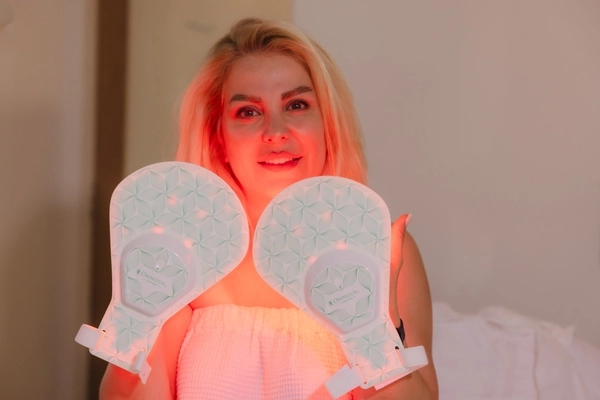
At Kiana Beauty Skin in Aliso Viejo, LED is approached as a low-downtime cosmetic option. Settings, treatment time, eye protection, and your health history matter more than a futuristic name.
Thermo-LED: what photobiomodulation means
LED devices use specific wavelengths of non-laser light. Red and near-infrared wavelengths are commonly studied for photobiomodulation—a process in which light energy interacts with cells and may influence signaling associated with repair and inflammation.
Clinical studies have reported improvements in measures such as fine lines or elasticity after repeated sessions. However, devices and study protocols vary, and not every consumer mask or spa panel duplicates the tested settings. Results are usually gradual and modest.
Is heat required for Thermo-LED to work?
No. Photobiomodulation is not the same as a heat treatment. Some devices feel mildly warm because of their design or because heat is an additional feature. Strong heating may indicate a different technology, such as radiofrequency, and should be explained separately.
You should know which energy is being used, why it is being recommended, and what the device is intended to do. “More heat” does not mean “more collagen.”
What Thermo-LED results are realistic?
LED may support a smoother, refreshed appearance over a series of sessions. It cannot remove excess skin, replace lost facial volume, or produce the structural change of surgery. Photographs should be taken with consistent lighting if progress is being assessed.
Daily sunscreen, a tolerable home routine, sleep, and smoking status also influence how skin ages. A device is one part of the picture.
What happens during a Thermo-LED session?
- Consultation: We review medications, light sensitivity, eye conditions, recent procedures, and skin goals.
- Cleansing: Makeup and sunscreen are removed so light reaches the skin consistently.
- Eye protection: Protective eyewear appropriate for the device is used.
- Measured exposure: The panel or mask is positioned for the planned time. The experience should be comfortable.
- Finishing care: Moisturizer and broad-spectrum sunscreen are applied as appropriate.
Who should ask for medical guidance first?
Tell your provider about photosensitizing medication, seizure disorders triggered by light, eye disease, lupus or another photosensitive condition, active cancer care, pregnancy, and any recent laser or injectable treatment. A provider may postpone or request medical clearance.
Do not treat over an unexplained lesion, active infection, or open wound. New or changing spots require a dermatologist—not an LED session.
Thermo-LED versus a traditional facial
LED is an energy-based add-on. A traditional facial focuses on cleansing, hydration, exfoliation, and barrier support. If dryness or sensitivity is the main issue, a customized facial in Aliso Viejo may be more immediately useful. Services can sometimes be combined, but every step should have a clear purpose.
Thermo-LED: frequently asked questions
Does LED hurt?
It should not. Mild warmth may occur with some equipment, but pain or strong heat should be reported immediately.
Will one session stimulate collagen?
Biological changes and visible results are generally evaluated over repeated sessions and time. One appointment should not be marketed as a permanent transformation.
Can I use an LED mask at home too?
Home devices vary in wavelength, power, fit, and intended use. Follow the manufacturer’s directions and disclose home use before professional treatment.
Is red light the same as a laser?
No. LEDs and lasers deliver light differently and have different treatment profiles.
A clear Thermo-LED plan before the lights turn on
Ask what device is being used, which wavelength, what outcome is realistic, and how progress will be measured. Review our skin care services or contact Kiana Beauty Skin for a personalized consultation.
Sources and further reading
- Systematic review of LEDs in dermatology
- Randomized split-face LED phototherapy study
- Clinical review of photobiomodulation
This article is educational and is not medical advice.