A hydrating facial can be a sensible choice when skin feels tight, looks flat, or becomes uncomfortable after cleansing. Dry skin and dehydrated skin can overlap, but they are not identical, so the appointment should begin with an assessment rather than a product-heavy assumption.
Dehydration describes a lack of water, while dry skin commonly produces less oil. Weather, travel, hot showers, harsh cleansers, exfoliation, and active products can all affect how the surface feels.
Hydrating Facial: The Essentials
- Share current products, prescriptions, allergies, and recent procedures.
- Gentle cleansing matters as much as the hydrating steps.
- Exfoliation should match sensitivity and the condition of the skin barrier.
- Home care should focus on mild cleansing, moisturizer, and sun protection.
- Persistent cracking, rash, itching, or pain may need a dermatologist.
Dry or Dehydrated?
Dry skin may feel rough and flaky across many areas. Dehydrated skin can feel tight yet still look oily through the T-zone. Both can become more sensitive when the routine includes frequent acids, retinoids, scrubs, or hot water.
A professional assessment cannot diagnose disease, but it can help match cosmetic care to visible dryness, oiliness, sensitivity, and your recent routine.
What Happens During a Hydrating Facial
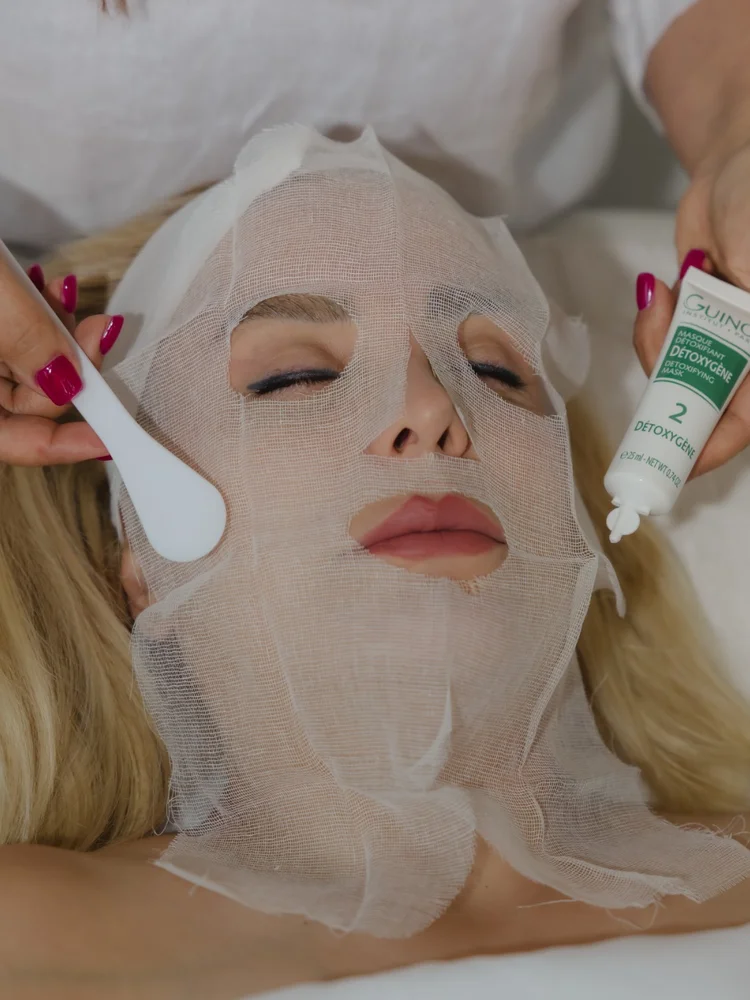
The session commonly includes gentle cleansing, selected exfoliation, hydrating products, massage, a mask, and finishing care. At Kiana Beauty Skin, the Detox Hydro Facial combines Guinot Detoxygene and Hydradermie for skin that looks dull or tired after travel, stress, or environmental exposure.
The order and intensity can change if the skin is reactive. More exfoliation is not necessary to make hydration effective.
Prepare by Simplifying
Avoid introducing a strong peel, scrub, or new retinoid immediately before the appointment. Bring product names or label photos, including prescriptions. Mention allergies, eczema, cold sores, sunburn, recent waxing, injections, laser, or microneedling.
Do not try to “deep clean” at home. Your usual gentle routine is enough and gives the esthetician a more accurate picture of how your skin behaves.
Home Care for Dry Skin
The American Academy of Dermatology recommends short warm showers rather than long hot ones, gentle fragrance-free cleansers, and moisturizer soon after washing. Ointments and creams are often more effective for very dry skin than thin lotions.
Apply broad-spectrum SPF 30 or higher during the day. Wind and sun can add to discomfort, so shade and physical coverage also help.
When Exfoliation Becomes Too Much
Stinging, persistent redness, new rough patches, and tightness after every wash can signal that a routine is too aggressive. Pause cosmetic experiments and ask for guidance. The AAD advises choosing exfoliation based on skin type and existing products.
If a prescribed treatment causes dryness, ask the prescribing clinician how to manage it. Do not alter a prescription based only on general online advice.
When to Get Medical Advice
Seek a dermatologist for severe or persistent itching, cracks that bleed, a spreading rash, pain, signs of infection, or dryness that does not improve with gentle care. These symptoms may need diagnosis and medical treatment.
A facial is a comfort and cosmetic service; it does not treat eczema, psoriasis, infection, or another medical condition.
Frequently Asked Questions
Will one facial permanently fix dry skin?
No. A facial may improve temporary comfort and appearance, but lasting results depend on climate, products, habits, and any underlying condition.
Can oily skin need hydration?
Yes. Oil and water balance are different. An oily T-zone can coexist with surface tightness or dehydration.
How often should I book?
Start with one visit and judge your response. The right schedule depends on your skin, routine, goals, and budget.
Choose a Hydrating Facial in Aliso Viejo
Compare personalized facials in Aliso Viejo, or contact Kiana Beauty Skin to discuss dryness, sensitivity, or recent treatments before booking.