Dark spots after acne can linger after a breakout settles, making it feel as though the acne never really left. The right next step depends on what the mark is: brown pigmentation, lingering redness, or a change in the skin’s surface. These concerns need different expectations and sometimes different care.
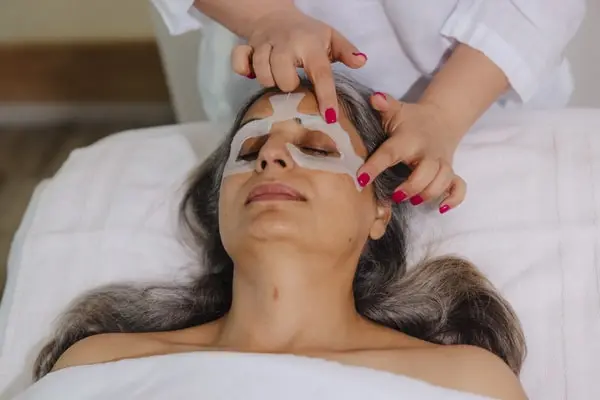
If you are choosing a facial in Aliso Viejo, start by describing the marks and your current acne routine. A careful consultation is more useful than a promise that one brightening treatment will erase them.
1. Are dark spots after acne the same as scars?
Flat brown or gray-brown marks may be post-inflammatory hyperpigmentation, often called PIH. Pink or red marks may reflect post-inflammatory erythema. Depressed or raised areas involve texture changes and may be scars. These descriptions help explain the concern, but they cannot replace a diagnosis.
A mark that is new, changing, bleeding, or unrelated to a known breakout should be assessed medically. Avoid assuming every dark spot is harmless acne pigment.
2. What does the research say about topical ingredients?
A 2024 trial by Shucheng and colleagues enrolled 72 people with mild to moderate acne and compared 15% azelaic acid gel with a placebo over 12 weeks; 60 completed it. Researchers reported improvements in post-acne redness and pigmentation measures, including reduced melanin in treated PIH lesions. Both groups improved on some measures, which matters when interpreting the result.
This supports discussion of an appropriate topical treatment with a healthcare professional. It does not establish that an ordinary facial or every over-the-counter acid product produces the same outcome. Do not copy a trial regimen without considering your own skin and medical history.
A 2002 study by Hakozaki and colleagues investigated niacinamide in laboratory models and human pigmentation studies. Clinical components included a small paired study in people with hyperpigmentation and a larger tanning study. Some pigmentation measures improved. Those populations were not specifically a trial of acne-related PIH, and several investigators were affiliated with the manufacturer. The findings are useful context rather than proof that any niacinamide serum will clear your marks.
3. How important is sun protection?
Sun protection is an important part of managing an uneven-looking complexion. A 2014 randomized trial found that an iron-oxide-containing sunscreen offering UV and visible-light protection improved several outcomes more than a UV-only sunscreen in people receiving hydroquinone for melasma.
Melasma is a different condition from dark spots after acne, and both groups received medication. The study therefore provides context for pigmentation care rather than direct proof of a treatment for post-acne marks. Ask your dermatologist whether a tinted sunscreen is appropriate for you.
For everyday protection, follow sunscreen directions and include shade and protective clothing. Our research-based sunscreen guide explains the evidence and practical habits in more detail.
4. Can a facial help with dark spots after acne?
A facial may support a gentle cosmetic routine, but it should not be presented as a guaranteed treatment for PIH or scars. If new acne keeps forming, controlling that inflammation with an appropriate medical plan may matter more than repeatedly treating the marks it leaves.
Our Acne Balance Hydraderm is a service to discuss for breakout-prone skin. Share your prescribed and non-prescribed products so treatment steps can be adapted. Painful, deep, or scarring acne warrants a dermatologist’s attention.
The Vitamin C Glow Facial is another cosmetic option to discuss for dullness. Its name should not be read as a promise to remove pigmentation. The studies summarized here did not test either service.
5. What should I avoid while caring for the marks?
Avoid picking and repeatedly escalating exfoliation because progress seems slow. Irritation can create a new problem while you are trying to improve the old one. Bring a simple product list to your consultation and make one planned change at a time.
Professional-strength peels and home acid mixtures are not shortcuts. If you are considering exfoliation, read our questions to ask before chemical exfoliation and discuss whether your skin is ready. Follow your clinician’s instructions for prescribed medicines.
Photographs taken in consistent lighting can help you judge change more fairly. Keep the camera distance and lighting similar. Record new breakouts and irritation as well as the appearance of old marks.
Frequently asked questions
How long do dark spots after acne take to fade?
There is no reliable single timetable for everyone. Depth of pigment, ongoing inflammation, skin type, and treatment affect the course. The studies discussed here assessed specific regimens over weeks; they do not guarantee your own timeline.
Can I use several brightening products together?
More products can mean more irritation. Review the full routine with a qualified professional, especially if you already use acne medication.
Should I choose a peel or a hydrating facial?
That decision depends on your skin condition rather than the appearance of the mark alone. Explore our facials in Aliso Viejo and ask for an individualized assessment before selecting stronger steps.
Discuss dark spots after acne at a consultation
Contact Kiana Beauty Skin to discuss your current routine and cosmetic goals, or book a personalized facial consultation. Changing or unexplained marks should be assessed medically first.
Evidence note: This article distinguishes acne-specific research from broader pigmentation studies. It is educational and does not diagnose marks or replace medical treatment.