Chemical exfoliation can sound like the obvious answer to rough texture or dull-looking skin. The more useful question is whether a particular product or treatment fits your skin today. Stronger is not automatically better, and research on a controlled clinical peel is not a recipe for home use.
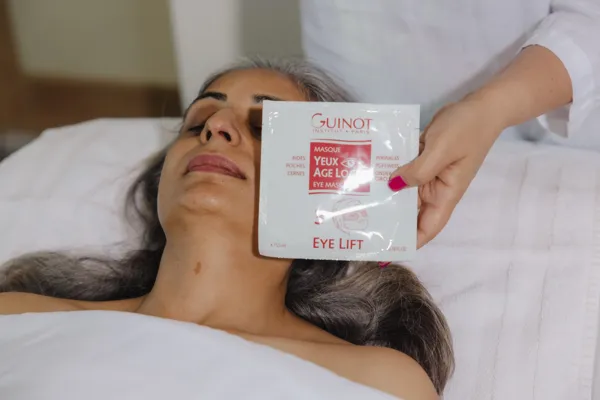
This guide connects three clinical studies with practical questions to ask before a facial in Aliso Viejo. It also explains why the acid name alone is not enough to predict comfort, recovery, or results.
1. What is chemical exfoliation?
Chemical exfoliants use ingredients such as alpha hydroxy acids or beta hydroxy acids to help remove surface skin cells. Glycolic and lactic acids are common AHAs; salicylic acid is a familiar BHA. Mechanical exfoliation instead uses physical friction, such as a scrub or brush.
These categories are useful, but they do not tell you how intense a finished treatment will be. Formulation, concentration, pH, application method, skin condition, and professional judgment all matter. A low-strength leave-on product and an office peel should not be treated as interchangeable.
2. What benefits have clinical trials found?
- Stiller and colleagues, 1996, enrolled 74 women in a 22-week randomized trial of glycolic acid cream, lactic acid cream, or the inactive base. More participants using the acid creams improved on the overall facial photodamage scale. The authors described the benefits as modest; repeated cream use differs from one facial.
- Kessler and colleagues, 2008, compared glycolic and salicylic acid peels on opposite sides of the face in 20 people with acne. Both improved acne measures over a series of treatments, with some tolerability and follow-up differences favoring salicylic acid. The small trial does not establish a universal best peel.
- Newman and colleagues, 1996, studied a professional glycolic acid protocol in 41 volunteers. Some texture and fine-wrinkle measures improved. The controlled protocol and short follow-up limit what can be predicted for other procedures.
These are examples of specific interventions, not evidence that every exfoliating facial has the same effects. They do not justify applying professional-strength acids yourself.
3. Is chemical exfoliation suitable for my skin?
Start with what is happening now. Tell the provider about stinging, peeling, open areas, recent sunburn, allergies, and a history of dark marks after irritation. Mention retinoids, benzoyl peroxide, prescription acne care, and recent procedures.
The AAD’s exfoliation guidance warns that aggressive exfoliation can worsen irritation and pigmentation in susceptible skin. A product can be popular and still be unsuitable for your current routine.
If your skin is already uncomfortable, consider reviewing skin barrier care before a facial instead of adding another exfoliating step. Persistent or unexplained symptoms warrant a dermatologist’s assessment.
4. How do I compare a peeling facial with other services?
Our Hydra Peeling Facial is an option to discuss for texture and dullness. Ask about the actual treatment steps, suitability, expected response, and home-care instructions. The clinical studies above did not evaluate this named service.
For a broader consultation and flexible treatment plan, review the Kiana Signature Facial. If breakouts are the main concern, the Acne Balance Hydraderm listing on our facial menu provides another service to discuss. Cosmetic care can complement an appropriate acne plan, but painful or scarring acne needs medical attention.
A useful consultation explains why a treatment fits you, not just how many steps it includes. It should also leave room to skip exfoliation when your skin is not ready.
5. What should I do before and after treatment?
Bring an accurate product list and ask for written instructions about any actives you use. Do not make independent changes to prescribed treatments. Avoid testing an unfamiliar exfoliant immediately before your appointment.
Afterward, follow instructions matched to the actual procedure. Keep cleansing gentle, use a tolerated moisturizer, and protect your skin from the sun. Ask when to resume optional active products. There is no single restart day that works for every peel and every skin type.
Do not pick visible flakes or add a scrub to speed things up. Report unexpected or worsening reactions. Severe pain, blistering, or significant swelling needs prompt medical assessment.
Frequently asked questions
Do I need visible peeling for the treatment to work?
No. Visible shedding is not a reliable score for treatment quality. Judge the agreed goals, tolerability, and follow-up rather than how much skin flakes.
Can I exfoliate every day?
Frequency depends on the product and your skin. Follow instructions and avoid combining several exfoliating steps by habit. Irritation is a reason to reassess.
Will a peel permanently shrink pores?
Do not expect permanent pore removal. Texture and the appearance of pores can change, but marketing claims should not replace a realistic discussion of your goals.
Discuss chemical exfoliation before booking
Contact Kiana Beauty Skin with your product list and recent treatment history. You can also book a personalized facial consultation to compare appropriate options.
Evidence note: This article summarizes clinical research for education. It provides no home-peel protocol and does not claim that the listed studies prove outcomes for our services.