Blue light and “probiotic” skin care are often grouped together as a next-generation acne solution. They are actually two different ideas. Blue LED treatment uses visible light, while probiotic or microbiome-focused products aim to support a balanced skin environment. Either may be used as supportive care, but neither should be presented as a guaranteed cure.
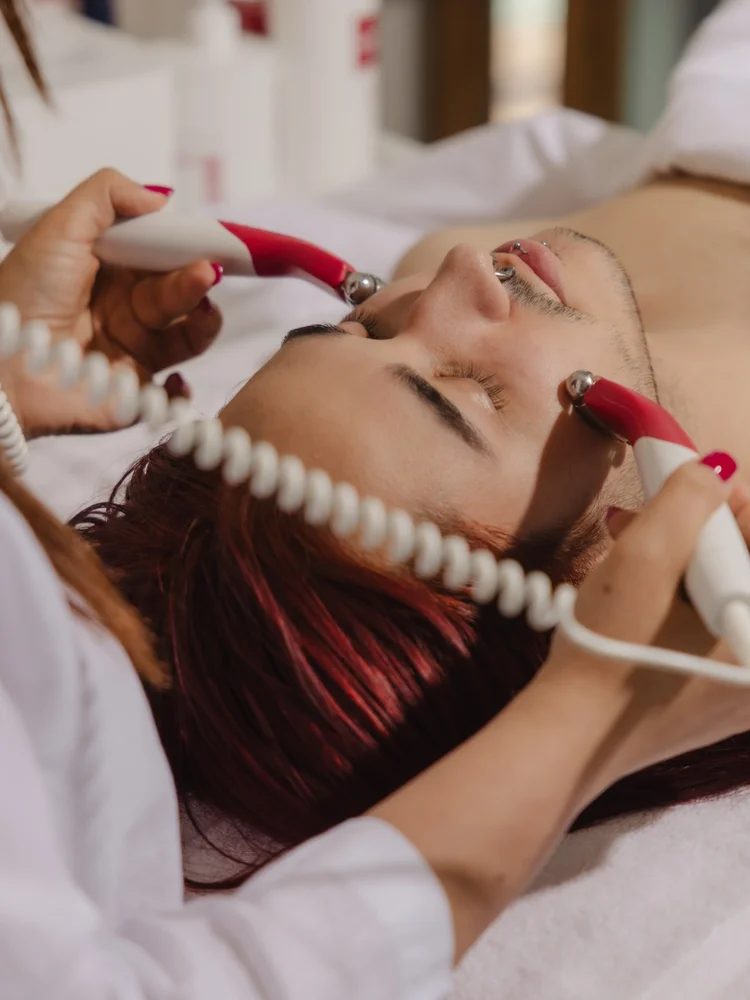
At Kiana Beauty Skin in Aliso Viejo, we start by looking at the type of breakout, current medications, sensitivity, and the products already in your routine. Inflamed pimples, clogged pores, hormonal acne, and deep cysts do not all respond the same way.
What blue light can—and cannot—target
Blue visible light is used for inflammatory pimples because certain wavelengths can interact with compounds produced by acne-related bacteria. Some devices combine blue and red light. Red light is typically included for its potential calming effects.
According to the American Academy of Dermatology, visible-light devices may help pimples, but they do not treat every acne lesion. Blackheads, whiteheads, nodules, and cysts often need a different plan. Published reviews also note that many studies are small, short, or use different devices, so results are not predictable for everyone.
What “probiotic skincare” means
The label can refer to live microorganisms, fermented ingredients, bacterial fragments, or by-products sometimes called postbiotics. These are not interchangeable. A product’s formula, preservation system, and evidence matter more than the word “probiotic” on the front label.
Research into the skin microbiome is growing. Some studies suggest that oral or topical probiotic approaches may support barrier function or improve acne severity, but evidence is mixed and varies by strain and formulation. A cosmetic facial should not replace treatment prescribed by a dermatologist.
Who may be a reasonable candidate?
A gentle LED-focused facial may suit someone with mild inflammatory breakouts who wants a low-downtime addition to an established routine. It may also be considered when the skin is too reactive for aggressive exfoliation. The treatment should still be customized; more light or more products are not automatically better.
Deep, painful acne, sudden adult-onset acne, scarring, or breakouts that affect your confidence deserve medical evaluation. Early dermatology care can reduce the risk of lasting marks.
What to expect at a blue light appointment
- Skin and routine review: We discuss prescriptions, benzoyl peroxide, retinoids, recent peels, and previous reactions.
- Gentle cleansing: Makeup, sunscreen, and surface oil are removed without scrubbing active lesions.
- Eye protection: Appropriate protective eyewear is used during LED exposure.
- Light treatment: The device is positioned for a measured session. LED should not feel hot or painful.
- Barrier support: Finishing products are selected to avoid unnecessary fragrance or irritation.
Blue light safety and reasons to postpone
Tell your provider about photosensitive conditions and any medicine or supplement that may increase light sensitivity. Treatment should be postponed over an active skin infection, open wound, severe irritation, or unexplained rash. If you are under a dermatologist’s care, ask how a spa service fits with the medical plan.
Do not stare directly into an LED source. Professional eye protection and device instructions matter even when a treatment feels gentle.
Building a routine around acne-prone skin
A simple routine usually beats a crowded one: gentle cleanser, non-comedogenic moisturizer, daily sunscreen, and the acne treatment recommended for you. Introduce one change at a time. That makes it easier to identify what helps and what causes irritation.
If congestion and oil are the main concerns, review our personalized facial services. For a wider view of available options, see our facials in Aliso Viejo.
Frequently asked questions
Will blue light clear acne in one session?
No. Some clients enjoy a calmer appearance after treatment, but acne usually requires consistent care over time. Response varies by acne type and device.
Can I use blue light with a prescription retinoid?
Possibly, but disclose the prescription and follow your dermatologist’s guidance. The surrounding facial steps may need adjustment even if LED itself is appropriate.
Are probiotic facials the same as taking a probiotic supplement?
No. Topical products and oral supplements are different interventions, and benefits cannot be assumed across strains or formulas. Discuss supplements with a qualified clinician.
Will this help acne scars?
Blue light is not a resurfacing treatment for indented scars. Brown or red post-acne marks and true scars also need different approaches.
A realistic acne consultation
The best appointment ends with a clear, manageable plan—not a promise to “detox” the skin. Contact Kiana Beauty Skin to discuss a gentle facial in Aliso Viejo, and see a dermatologist for persistent, painful, or scarring acne.
Sources and further reading
- American Academy of Dermatology: Lasers and lights for acne
- Systematic review of blue-light therapy for acne
- Review of probiotic approaches in acne
This article is educational and is not medical advice.